
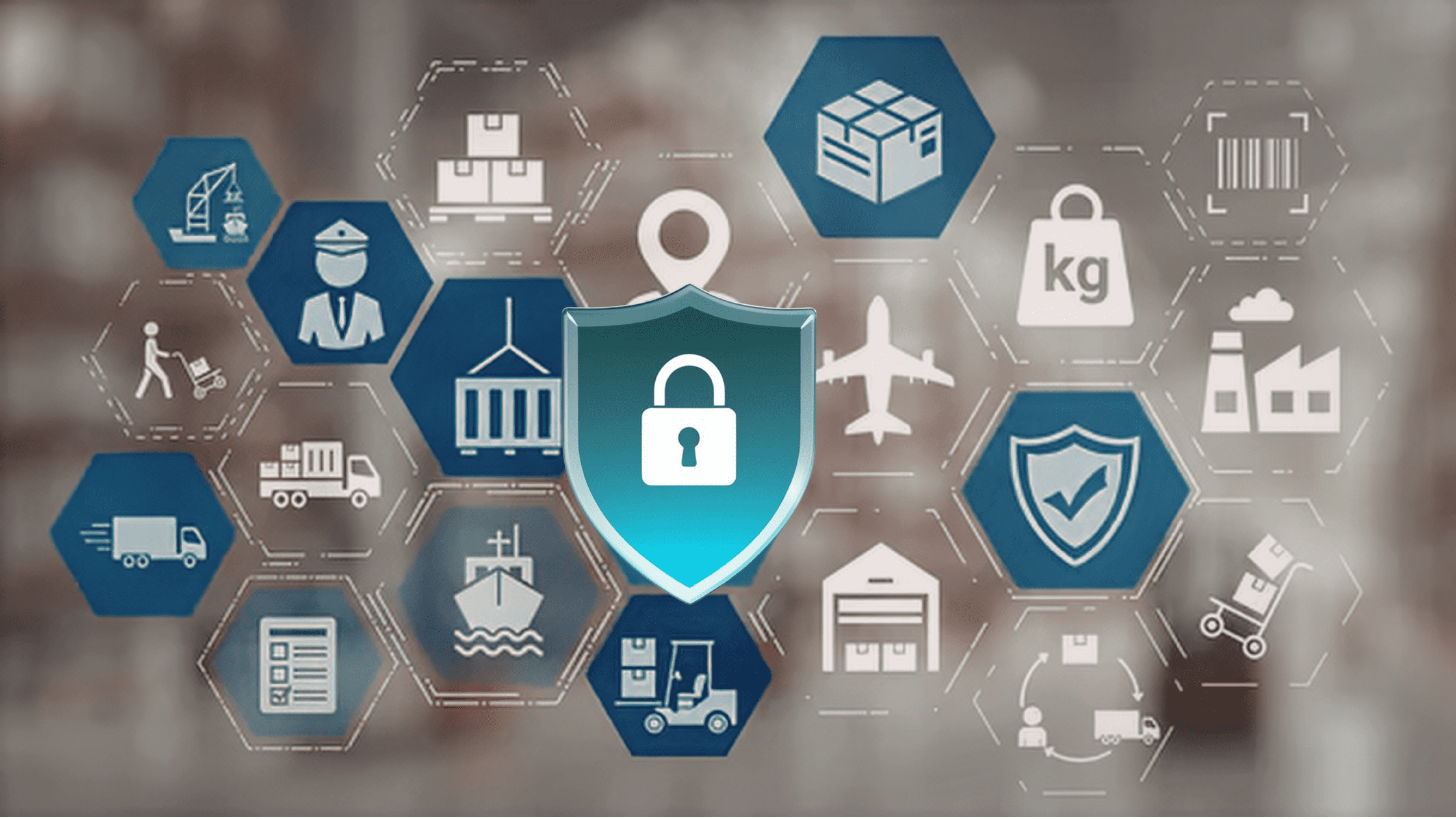
It may surprise some leaders to realize that no organization truly controls its supply chain anymore. What used to be a manageable roster of vendors is now a sprawling network of SaaS platforms, third‑party logistics providers, cloud services, contractors, AI automations, and data integrations that extend far beyond an organization’s walls.
Each connection supports productivity and growth, but each also adds risk. When one link in the supply chain falters, the ripple can impact customers, finances, and reputation in an instant. For organizations across Calgary, Edmonton, and Vancouver, this intertwined environment has made supply chain resilience both a security priority and a competitive advantage.
The New Face of Supply Chain Risk
Building supply chain resilience today requires more than reactive safeguards; it demands intentional, technology-driven design. Organizations are increasingly adopting advanced supply chain resilience strategies that combine real-time monitoring, automation, and predictive analytics to identify vulnerabilities before they escalate. Modern supply chain resilience software plays a critical role here, offering visibility across vendors, data flows, and operational dependencies. These tools, when guided by a strategic IT partner, enable leaders to strengthen the resilience of supply chain operations while maintaining agility in the face of disruption.
Resilient supply chain examples often share a common thread: proactive governance, standardized systems, and continuous oversight. Whether mitigating vendor risk, ensuring data integrity, or maintaining uptime during external disruptions, building supply chain resilience is now a core function of risk and resilience in supply chain management. By embedding resilience into IT infrastructure and vendor ecosystems, organizations can move from fragile, reactive models to a truly resilient supply chain that supports long-term growth and operational confidence.
Even small disruptions can have far‑reaching consequences. A misconfigured vendor application, a ransomware attack on a third‑party payroll provider, or a data breach affecting a logistics partner can interrupt operations hundreds of miles away.
The modern supply chain now includes:
- Cloud and SaaS platforms used for collaboration, billing, or file exchange.
- Manufacturing and distribution partners with interconnected data systems.
- Service vendors who process customer or operational data.
- Open‑source tools and applications integrated into everyday workflows.
Each of these elements expands the potential attack surface. And most organizations don’t have the internal resources to continuously monitor security, performance, and compliance across all of them.
That’s where trusted managed service providers (MSPs) like The ITeam become essential to a resilient business model.
From Provider to Partner: The MSP Advantage
In many organizations, internal IT teams are already stretched thin protecting their own digital perimeters. Expecting them to track real‑time vulnerabilities across an evolving supplier ecosystem is unrealistic. An experienced MSP like The ITeam acts as an extension of your internal team, bringing the scale, visibility, and continuity that complex supply chains demand.
A strong MSP partnership adds resilience in four critical ways:
- Centralized visibility. Continuous monitoring detects anomalies or vulnerabilities across systems, vendors, and networks before they turn into disruptions.
- Consistent standards. MSPs apply unified security frameworks and patching processes across your environment, resolving inconsistent practices that often exist between suppliers.
- Rapid response and remediation. When an incident occurs in any part of your supply chain, your MSP can isolate, contain, and recover operations before impact spreads.
- Strategic governance. Through vCIO and compliance advisory, MSPs help your organization map third‑party risks, document controls, and demonstrate resilience to regulators, insurers, and partners.
The result is a stable, predictable operational foundation that supports continuous business delivery, even when external vendors stumble.
Applying Standardization to a Fragmented Ecosystem
Supply chain failures often trace back to inconsistency. One vendor may follow rigorous patching and compliance schedules, while another delays updates for weeks. Multiply that pattern across dozens of suppliers, and you have a patchwork of controls that’s nearly impossible to manage internally.
By contrast, an MSP can align best practices across your digital ecosystem. The ITeam enforces unified standards for security baselines, access management, and monitoring, turning a fragmented vendor landscape into something measurable and defensible.
This consistency doesn’t just help to prevent incidents but also communicates reliability to partners and customers. In a climate where contracts increasingly require a demonstrable security posture, MSP oversight becomes both an operational and a reputational safeguard.
Building Trust and Continuity Across the Supply Chain
Trust is the currency of modern supply chains. Customers, distributors, and partners all rely on the integrity of your systems and, by extension, the systems of those you work with.
A reliable MSP strengthens trust by:
- Protecting shared data flows across third‑ and fourth‑party vendors.
- Auditing and verifying supplier security where possible.
- Implementing resilient backup and recovery to maintain accessibility.
- Supporting compliance with evolving data protection and privacy standards.
Behind the scenes, having both a proactive service desk and a responsive help desk model is what keeps end‑users productive and issues contained before they affect your wider supply chain.
For many Western Canadian organizations, having a partner like The ITeam isn’t just about technical support. It’s about ensuring business continuity, protecting customer confidence, and sustaining growth even when global conditions shift.
The Governance Perspective: Integrating IT Into Business Risk Strategy
Supply chain resilience isn’t the responsibility of operations teams or procurement alone; it’s a governance issue demanding that boards and executives account for technology risk as a core business exposure. A managed IT partner provides the metrics, monitoring, and reporting that translate technical health into strategic insight.
Through scheduled reviews, risk mapping, and standardized frameworks, The ITeam ensures leaders have the visibility they need to make informed decisions, turning IT from a cost center into a platform for organizational resilience.
Learn more about our managed services offering:
Calgary | Edmonton | Vancouver
Key Takeaways
- Supply chains are digital ecosystems. Vendors, cloud providers, and SaaS integrations extend your organization’s risk surface.
- Resilience starts with visibility and consistency. MSPs standardize security, compliance, and monitoring across fragmented environments.
- Managed IT services are governance tools. They deliver the oversight that boards and regulators expect in today’s risk landscape.
- The ITeam helps Calgary, Edmonton, and Vancouver organizations protect operations, secure relationships, and respond faster when disruption occurs.
- Modern supply chain strength is built on IT resilience. The tighter your partnership with a proactive MSP, the more reliable your business becomes.